Smart Choices Behind Flexible Access to Modern Construction Equipment
The Urgency of Access in Fast-Paced Project Environments
At dawn on a busy construction site, machines idle while deadlines loom, showing how access defines momentum. This article explores why heavy equipment rentals shape modern projects, outlining their strategic importance and economic relevance for contractors across sectors. The central argument explains how flexible access to machinery improves safety, cash flow, and productivity while adapting to variable demand. By understanding rental models, decision makers reduce risk, accelerate mobilization, and maintain competitiveness despite tight schedules, regulatory pressure, and unpredictable market conditions that challenge planning today for contemporary infrastructure development worldwide initiatives.
Operational Advantages That Support Smarter Project Planning
Effective planning depends on availability, making heavy equipment rentals a practical solution during expansion cycles and downturns alike. In this section, operational efficiency is examined through scheduling certainty, maintenance transfer, and compliance alignment. Rental agreements shift repair responsibility, limit downtime, and provide current technology without ownership burdens. Positioned thoughtfully within project timelines, rentals enable rapid scaling and precise budgeting. Such adaptability stabilizes bids, protects capital reserves, and supports environmentally responsible practices by optimizing utilization across multiple projects simultaneously under varied market conditions, changing scopes, seasonal labor dynamics, and regulatory expectations.
Evaluating Providers to Protect Performance and Continuity
Selecting the right partner requires evaluating fleet diversity, logistics reach, and service responsiveness. Beyond price, reliability safeguards progress when coordination tightens. Midway through complex builds, heavy equipment rentals contribute resilience by offering replacements, attachments, and expert guidance. Clear communication around delivery windows and operator requirements prevents bottlenecks. Contract transparency strengthens trust, ensuring insurance, training, and safety standards align with project demands. These considerations collectively influence outcomes, balancing speed with accountability and sustaining performance across long construction phases under demanding timelines, remote locations, complex permitting, shifting weather, budgets, and stakeholder expectations.
Material Handling Challenges in Space-Constrained Environments
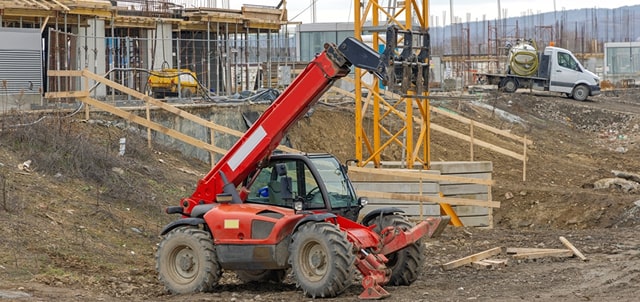
Material handling presents unique challenges where space constraints and elevation risks intersect. Modern sites increasingly prioritize reach and versatility, placing telehandler rental decisions at critical junctures. This section discusses how lifting capacity, maneuverability, and attachment compatibility affect productivity. Telehandlers streamline staging, reduce manual handling, and enhance safety outcomes. By aligning equipment specifications with load profiles, projects advance efficiently. Proper selection minimizes ground disturbance and supports mixed-use environments common in urban developments characterized by density, noise, access limits, scheduling pressures, coordination demands, regulatory oversight, and community expectations, evolving rapidly today, globally.
Cost Efficiency and Lifecycle Value Considerations
Operational planning benefits from understanding cost drivers and utilization patterns. Financing considerations, operator training, and scheduling discipline shape outcomes when telehandler rental options are evaluated. This analysis highlights lifecycle efficiency compared with ownership, emphasizing reduced maintenance exposure and faster deployment. Rental providers refresh fleets, incorporating safety enhancements and emissions improvements. These advantages translate into predictable expenses, improved site ergonomics, and compliance with evolving standards, particularly for short-term or specialized tasks across diverse sectors, constrained budgets, temporary crews, complex lifts, variable loads, weather, logistics, oversight, audits, reporting, requirements, worldwide, today, consistently.
Risk Management, Safety, and Workforce Confidence
Risk management strengthens when equipment aligns with task specificity and environmental conditions. For varied terrains and vertical access, telehandler rental supports safer workflows by integrating stability systems and certified accessories. This section connects training protocols with incident reduction, noting how standardized controls improve operator confidence. Consistent inspections and documentation further mitigate exposure. By coordinating lift planning with traffic management, sites maintain continuity, reduce rework, and protect personnel throughout execution under compliance frameworks, audits, inductions, permits, supervision, monitoring, reporting, weather, visibility, fatigue, communication, handovers, shift, changes, and emergency readiness, protocols, enterprise.
Sustainability and Responsible Equipment Strategies
Sustainability considerations increasingly influence procurement strategies across construction and industrial markets. Equipment efficiency, shared utilization, and reduced idle time contribute to measurable environmental benefits. This section examines how rental ecosystems lower embodied emissions by maximizing fleet use. Modern machines meet stricter standards, supporting community acceptance and regulatory compliance. Logistics optimization further cuts fuel consumption. When aligned with transparent reporting, these practices enhance reputational value while meeting project objectives responsibly across infrastructure, energy, manufacturing, logistics, warehousing, agriculture, events, recovery, redevelopment, timelines, budgets, stakeholders, expectations, procurement, governance, targets, benchmarks, disclosures, metrics, frameworks.
Conclusion: Aligning Equipment Access With Long-Term Performance Goals
Strategic access to machinery remains a decisive factor in delivering complex projects predictably. This conclusion synthesizes insights on flexibility, safety, and fiscal discipline achieved through rentals. For dependable support and market knowledge, visit g4equipment.com to align sourcing with objectives. Consistent processes, informed selection, and collaborative scheduling translate into resilient delivery. As industries evolve, disciplined equipment strategies will continue to underpin productivity, compliance, and sustainable growth across sectors, regions, supply chains, partnerships, governance, training, technology, planning, resilience, adaptation, accountability, transparency, performance, benchmarks, oversight, forecasting, innovation, culture, execution, maturity, stability, longevity, globally.


Comments
Post a Comment