Ensuring Efficiency and Safety Through Expert Telehandler Care and Maintenance
INTRODUCTION: THE BACKBONE OF MODERN CONSTRUCTION
In the demanding world of construction, efficiency and reliability define success. A single piece of equipment malfunctioning on-site can delay projects and increase costs significantly. Among the most versatile machines in the industry, telehandlers stand out for their ability to lift, move, and position materials with precision. However, to maintain their performance and ensure safety, consistent attention to telehandler service is essential. This article explores why structured servicing and regular upkeep are crucial for sustaining productivity in construction operations.
THE IMPORTANCE OF TIMELY TELEHANDLER SERVICING
A telehandler is a powerful combination of a forklift, crane, and work platform, enabling a wide range of lifting and loading tasks. With such versatility comes the necessity of proper care. Regular telehandler service ensures that hydraulic systems, electrical connections, and safety features function flawlessly. Over time, wear and tear from heavy workloads can lead to minor issues that, if ignored, evolve into expensive repairs. Scheduled servicing not only extends the machine’s lifespan but also minimizes downtime, keeping projects on schedule and equipment in peak condition.
HOW PROFESSIONAL TELEHANDLER SERVICE IMPACTS PERFORMANCE
Professional telehandler service goes beyond basic inspections. Skilled technicians use diagnostic tools to identify potential faults before they cause operational disruptions. They check fluid levels, inspect lifting mechanisms, and verify load-bearing capacities. This detailed process helps maintain fuel efficiency, reduces mechanical strain, and ensures compliance with safety regulations. For construction managers, relying on certified technicians provides peace of mind, knowing that their telehandlers can perform at maximum capacity under challenging site conditions without risking worker safety or productivity loss.
THE ESSENCE OF ROUTINE TELEHANDLER MAINTENANCE
Just as routine servicing ensures immediate operational health, consistent telehandler maintenance preserves long-term efficiency. Daily or weekly inspections—such as checking tires, lubricating joints, and monitoring fluid leaks—prevent costly failures. Regular maintenance supports better control, reduces component friction, and enhances maneuverability. A neglected telehandler may seem to function adequately but could be developing unseen mechanical issues. Addressing minor irregularities through maintenance not only protects the machine but also safeguards the operator from potential accidents caused by system malfunctions or instability during operation.
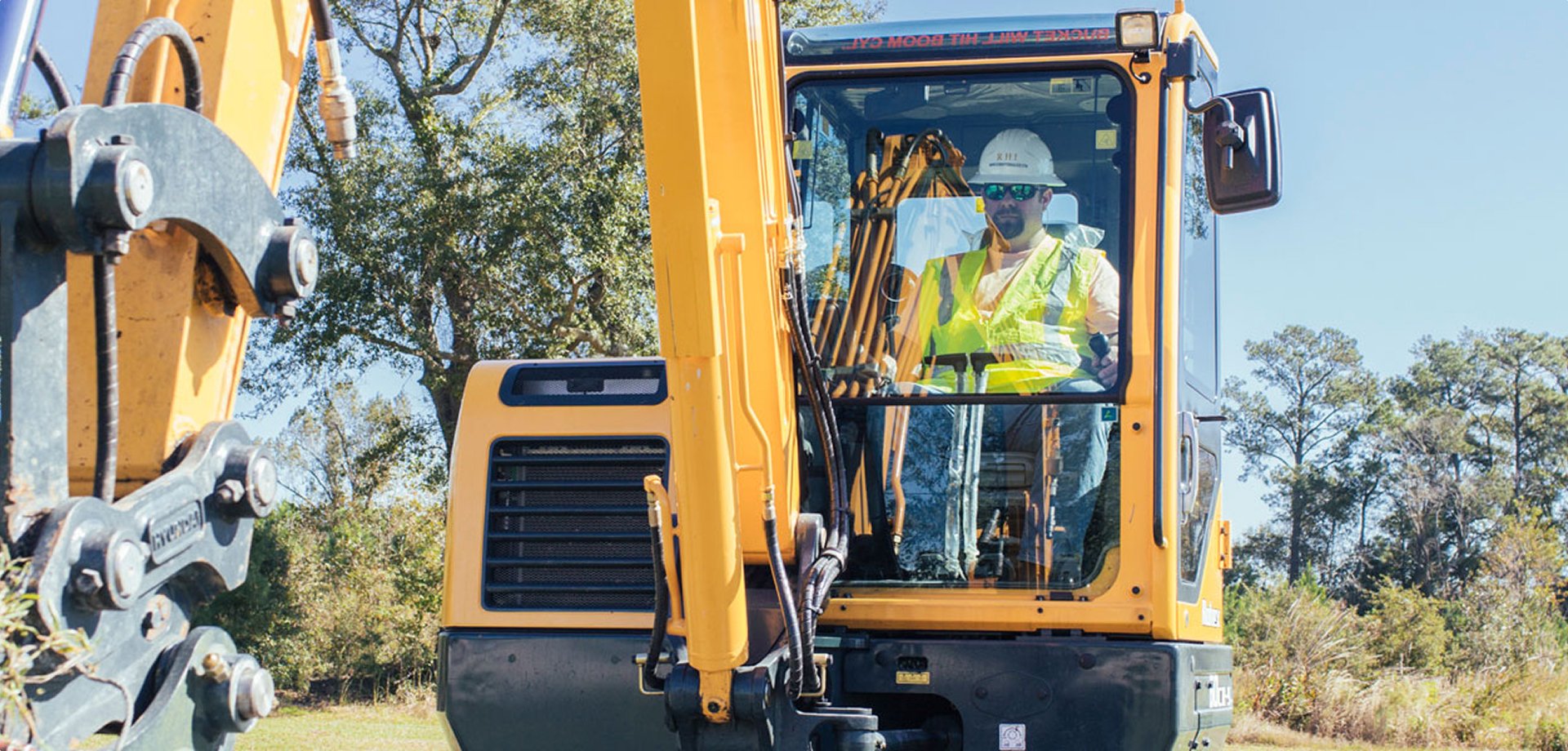
BENEFITS OF LONG-TERM TELEHANDLER MAINTENANCE PRACTICES
Adopting structured telehandler maintenance practices leads to measurable benefits in both cost savings and reliability. Machines that receive consistent attention typically experience fewer breakdowns, longer operational life, and improved performance. Maintenance also aids in preserving resale value, as well-documented service histories make used equipment more attractive to buyers. Furthermore, a well-maintained telehandler supports safer worksites by minimizing unexpected mechanical failures. For companies focused on sustainability, maintenance plays a vital role in reducing energy waste and extending the lifespan of critical construction assets.
THE ROLE OF TRAINING AND RECORD KEEPING IN EQUIPMENT CARE
Beyond servicing and maintenance, operator training and detailed record keeping form the foundation of responsible equipment management. Skilled operators are better equipped to identify early signs of wear or malfunction. Comprehensive logs documenting service and maintenance dates ensure that no inspection or part replacement is overlooked. This systematic approach helps managers plan future repairs efficiently and adhere to manufacturer guidelines. Consistent documentation not only supports compliance during safety audits but also builds a transparent maintenance culture across the organization.
CONCLUSION: BUILDING RELIABILITY THROUGH PROFESSIONAL EXPERTISE
In construction, the quality of results often depends on the reliability of the equipment in use. Ensuring that machines remain dependable requires more than reactive repairs; it demands structured attention through telehandler service and telehandler maintenance. When performed regularly by trained professionals, these practices enhance performance, extend machine life, and ensure on-site safety. For those seeking expert assistance in maintaining high-performance construction equipment, G4 Construction Equipment, LLC offers reliable solutions and industry-leading support.


Comments
Post a Comment